
Professional setup
High-quality microphones and an experienced recording engineer included.

When you search for a vocal recording studio, you are not simply looking for a microphone in a room. You need a place where your performance can be captured clearly, where you can hear yourself accurately and where the person behind the equipment understands how to support a vocalist.
Ronter Sound provides professional vocal recording in Philadelphia for singers, rappers and vocal performers who already have material they are ready to perform. You can arrive with an instrumental track, lyrics, references and a clear idea, or with a performance that still needs to develop naturally during the session.
A reliable studio to record vocals gives you the space and technical support to concentrate on the performance itself. The session is centered on capturing your voice, your delivery and the character of your performance in a clean, controlled studio environment.
Before scheduling, you can review our current studio rates, listen to examples on the studio demo page, or view the studio interior .
The goal is not to make every voice sound the same. The goal is to capture your performance clearly, confidently and naturally.
Record lead vocals, harmonies, alternate performances and additional vocal layers in an environment where you can focus on expression rather than technical setup.
The engineer manages microphone placement, recording levels, monitoring and session organization while you concentrate on pitch, phrasing, tone, emotion and delivery.
Capture main performances, doubles, ad-libs and supporting vocal layers with clear timing, energy and articulation.
The session can be organized around short sections, full passes or a combination of both, depending on how you perform most naturally and efficiently. Artists working in rap can also explore our hip-hop and rap vocal recording approach for sessions built around the timing, layering and delivery common to the style.
Work in a private studio setting where your artistic choices are respected and where the recording session can adapt to your material, experience and preferred way of working. Projects that need additional creative contributors can also involve musicians, performers, songwriters, artists, voiceover talent, and dubbing actors.
You do not need to arrive with a label team or extensive studio experience. You need prepared material, a willingness to perform and enough booked time to work without unnecessary pressure.
A first studio session can feel unfamiliar. You may not know how close to stand to the microphone, how loud to perform, when to enter or how many takes you need.
You will receive practical guidance throughout the session without being rushed or expected to understand studio terminology. Our first-time studio guide can also help you prepare before arriving.
Ronter Sound also provides professional voice, vocal and speech recording in Philadelphia for speech, narration and other spoken audio. Record in a private studio with an experienced audio engineer handling microphone setup, recording levels and the technical side of the session. Longer spoken-word projects can be handled through our audiobook recording studio, while conversational programs can be produced through our podcast recording studio.
If you are looking for a voice recording studio near you in Philadelphia, sessions are available by appointment at our Northeast Philadelphia studio. We also record multilingual spoken projects, including Russian voice-over for the USA.
A successful professional vocal recording session requires more than pressing a record button. The room, microphone position, monitoring, communication and pace of the session all influence how confidently you perform and how clearly the performance is captured.
At Ronter Sound, the recording environment is prepared before the performance begins so the session can remain focused and efficient.
The recording area is designed to reduce unwanted room reflections and distracting background noise. This gives your performance a cleaner foundation and allows the microphone to capture more of your voice and less of the room around it.
A controlled space is especially important when recording detailed, quiet or dynamic performances because small room problems become much more noticeable through a sensitive studio microphone.
Microphone distance and positioning are adjusted according to the way you perform. A soft, intimate delivery may require a different approach from a loud or aggressive performance.
The purpose is not to force you into one fixed technique. The technical setup should support the sound, energy and level of control you are trying to achieve.
You need to hear the instrumental, your recorded voice and your current performance at a balance that helps rather than distracts you.
Monitoring can be adjusted during the session. Some performers need more instrumental, some need more of their own voice and others perform better with a simpler headphone balance.
Strong performances are not always captured in the first attempt. Recording several takes gives you space to settle into the material, test different delivery choices and improve specific sections.
The engineer keeps the session organized so useful performances are not lost and repeated sections can be recorded efficiently.
Guidance can include microphone distance, timing, entry points, pronunciation, breath control, consistency, energy and emotional delivery.
Direction is collaborative rather than controlling. Your identity as a performer remains central, while the engineer helps identify technical or performance issues that may not be obvious from inside the booth.
Files, takes and sections are kept organized while you work. This reduces confusion, prevents unnecessary repetition and helps the session move forward without breaking your concentration.
An organized workflow is particularly valuable when recording several verses, choruses, doubles, harmonies or alternate deliveries in one appointment.
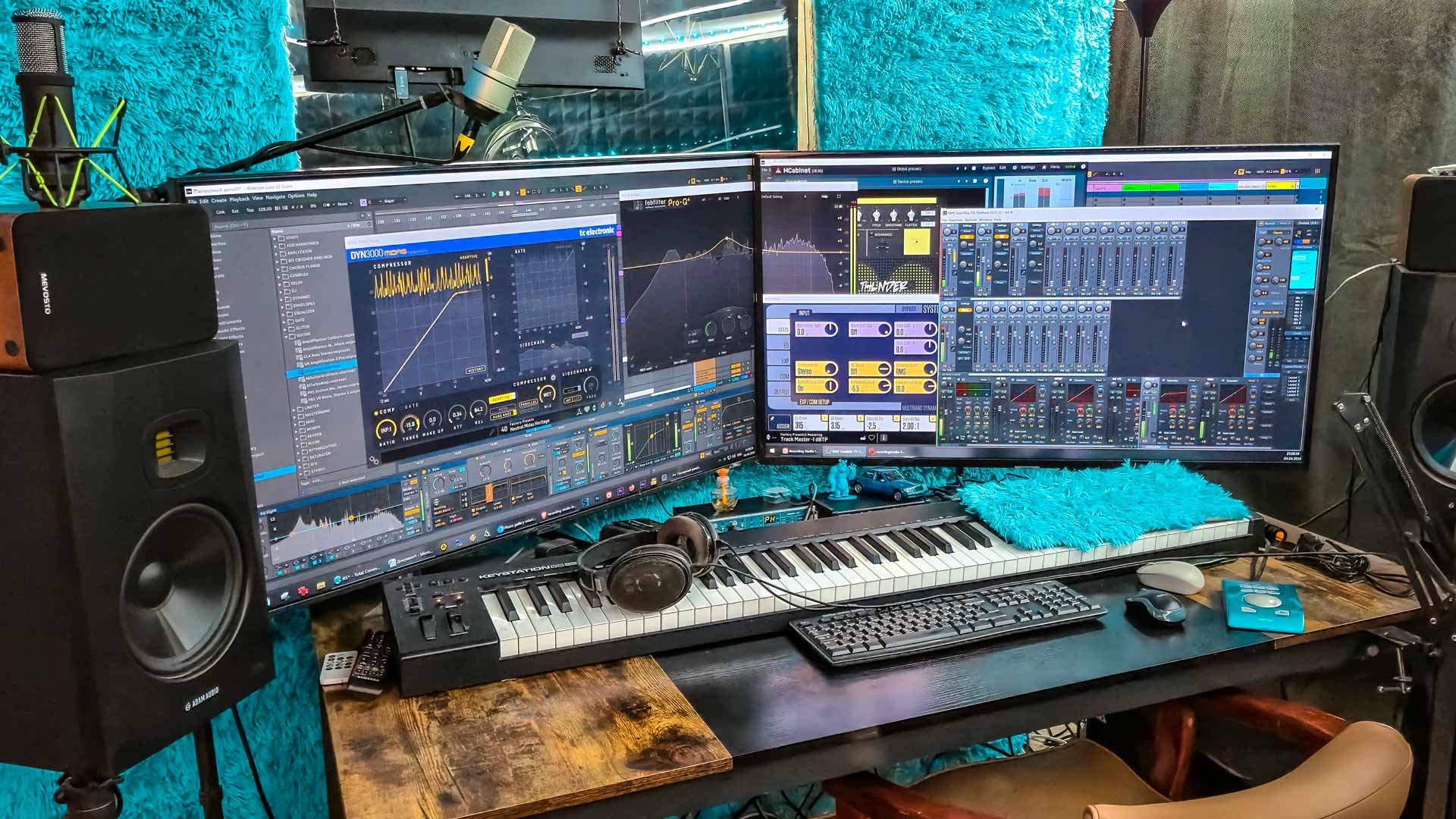
Your engineer is responsible for the technical side of the session while also paying attention to how the performance is developing. For projects that need broader technical support, you can also learn more about working with an audio engineer in Philadelphia.
This includes preparing the recording setup, checking levels, adjusting monitoring, keeping track of takes and communicating clearly when a section should be repeated or approached differently.
A good vocal recording engineer should not distract you with unnecessary technical language. The engineering work should support the session quietly and allow you to remain focused on performing.
To understand the engineer’s role in greater detail, read what an audio engineer does during a recording session .
A dedicated recording area gives you separation from the engineer’s workspace while maintaining clear communication throughout the appointment.
During vocal booth recording, you can focus on the instrumental, lyrics and performance without watching every technical adjustment being made at the workstation.
The controlled environment also helps reduce room sound and outside distractions. This matters because a vocal performance often contains quiet breaths, subtle phrases, dynamic changes and detailed consonants that a studio microphone captures very clearly.
You can view more photographs of the space on the Ronter Sound studio gallery .
Bring the highest-quality version available to you. A WAV file is preferred when possible, although other common audio formats can also be discussed before your appointment.
Make sure the instrumental is the version you actually intend to perform with and that its structure is final enough for you to know where each section begins.
Have your lyrics available on paper, a phone or another device that will not interfere with your ability to perform naturally.
Mark difficult entries, fast phrases, harmonies or any sections where you already know you may need extra time.
Studio time is most productive when you already know the words, melody, rhythm and general emotional direction of the performance.
You do not need every detail to be perfect, but preparation gives you more time to focus on expression and less time trying to remember the material.
A reference can help communicate the energy, vocal position, intimacy, intensity or overall direction you want to achieve.
References are used for communication, not to copy another performer’s identity. Your own voice and delivery remain the center of the session.
Preparation protects your studio time. The better you know the material, the more attention can go toward performance, emotion and delivery.
Rest your voice, drink water and avoid exhausting yourself immediately before the session. Arrive early enough that traffic or parking does not force you to begin in a rushed state.
Rehearse with the same instrumental you plan to bring. If the file has changed, confirm that your entries, pauses and section lengths still match. If your song is still at an earlier working stage, song demo production can help develop a usable version before you move into a final vocal session.
Decide which parts are most important before the appointment. If time becomes limited, you should already know which sections deserve the greatest attention.
For a more detailed checklist, read how to prepare for a professional studio session .
You can also use the studio readiness test to identify preparation issues before booking.
Professional equipment matters, but the way the appointment is managed also affects your performance. A strong session should feel focused, understandable and creatively supportive.
You should be able to concentrate on performing without repeatedly stopping to solve preventable setup problems.
Comfort does not mean avoiding honest feedback. It means being able to experiment, make mistakes and try again without unnecessary embarrassment.
You should know which section is being recorded, why another take may be useful and what the next step is.
The engineer contributes technical judgment and practical feedback while respecting your artistic decisions and performance identity.
Many clients searching for where to record vocals are preparing for their first professional studio appointment. Lack of previous experience does not prevent you from getting a useful result.
You will be shown where to stand, how to use the headphones, how to communicate from the recording area and how the session will move from one section to another.
You do not need to understand recording software, microphone models or technical terminology. Those responsibilities belong to the engineer.
Your responsibility is to know your material as well as possible, communicate your goals honestly and remain open to repeating a section when another performance may produce a stronger result.
Artists who are nervous about their first appointment may also find the studio guide for non-professional singers helpful.
Home setups can be useful for writing, rehearsing and testing ideas. However, untreated rooms, outside noise, computer fans, reflections, inconsistent microphone distance and distracting technical decisions can make it difficult to capture a confident final performance.
A professional vocal recording studio provides a prepared environment where the equipment and session workflow are already in place. Instead of dividing your attention between performing and engineering, you can remain focused on your delivery.
Working with an engineer also gives you an outside perspective. The performer often feels a take differently from how it sounds through the microphone. Immediate playback and clear communication help identify whether a section needs another attempt.
For a broader comparison, see home recording compared with working in a studio .
Ronter Sound is a Philadelphia studio serving local singers, rappers, independent performers and visiting artists who need a professional place to capture their vocals.
Clients searching for vocal recording near me, a vocal recording studio near me or a vocal recording session near me can review the studio, pricing and available contact options before requesting an appointment.
Sessions are scheduled by appointment so the studio can be prepared for your material and your reserved time can remain private and focused.
See the recording space and working environment before your appointment.
Hear selected work connected with Ronter Sound and its recording projects.
Review current pricing information before choosing the length of your appointment.
Send your preferred date and a brief description of what you plan to record.
Arrive with enough time to settle in before performing. Your material will be loaded, the recording setup will be checked and the headphone balance will be adjusted before the main takes begin.
You may begin with a level check or a short test performance. This allows the engineer to hear your actual delivery and make any necessary technical adjustments.
Once recording begins, the material may be approached in full passes, shorter sections or a combination of both. The most suitable method depends on your preparation, stamina and style of performance. When the takes are complete and the vocals are moving toward mixing, pre-mix vocal preparation can organize and prepare the recorded material for the next production stage.
Breaks can be taken when your voice or concentration needs recovery. Continuing after fatigue has reduced the quality of your delivery is rarely the best use of reserved studio time.
For a more detailed look inside an appointment, visit how a professional vocal session works .
The amount of time you need depends on the length of the material, the number of vocal parts, your preparation and how many alternate performances you want to capture.
A short, well-rehearsed part may require less time than a performance containing several sections, harmonies, doubles or difficult passages.
Avoid booking the minimum possible time when you already know the material is challenging. Time pressure often affects breathing, concentration and emotional delivery.
For additional guidance, read how long a vocal session may take .
You can book a private appointment at Ronter Sound in Philadelphia. The studio provides a controlled recording space, microphone setup, headphone monitoring and direct support from a recording engineer. Use the booking page to send your preferred date and information about the material you plan to perform.
Bring your instrumental, completed lyrics and any useful references. Know the structure of the material and make sure the instrumental is the correct version. WAV is preferred when available, but file details can be discussed before the appointment.
Yes. First-time clients receive clear guidance about microphone distance, headphones, communication and the general session workflow. You do not need technical recording knowledge, but you should rehearse your material before arriving.
Yes. The engineer manages the recording setup, levels, monitoring, take organization and communication throughout the appointment. The goal is to let you focus on your performance while the technical work is handled for you.
Yes. Multiple takes are a normal part of professional vocal recording. They allow you to settle into the material, test different delivery choices and improve difficult sections without depending on a single performance.
Yes. Different vocal parts can be captured during the same appointment when sufficient time is reserved. Tell the studio about the number and type of parts when requesting your booking so you can choose an appropriate session length.
Session length depends on the amount of material, your preparation and the number of vocal parts. A well-rehearsed performance with one main part generally requires less time than material containing several sections, doubles, harmonies and alternate deliveries.
Yes. Bring the highest-quality version available and confirm that it is the final version you intend to perform with. Knowing the arrangement and all entry points before the appointment helps protect your reserved time.
Discuss additional attendees when requesting the appointment. A supportive person may be helpful, but too many opinions or conversations in the room can distract from the performer and reduce the efficiency of the session.
Ronter Sound is a professional voice recording studio in Northeast Philadelphia, located on Tomlinson Road, PA 19116. Sessions are available by appointment for voice recording, voiceovers, narration, speech and other spoken audio. Check availability and book your recording session online.
Open the booking page and provide your preferred date, the approximate amount of material and a brief description of what you want to record. You can review current studio rates before submitting your request.
When you are ready to record vocals professionally, send your preferred date, the approximate length of your material and a short description of the vocal parts you plan to capture.
Sessions are available by appointment. Reviewing rates, preparing your files and rehearsing before arrival will help you use your reserved time effectively. After recording, projects that need a finished release can continue with mixing, mastering, and track production.
Recording studio services
If you need a different type of audio work, explore more services offered by our Philadelphia recording studio.