Ronter Sound Recording Studio Philadelphia
Many people imagine a recording studio very simply: a person comes in, sings into a microphone, the engineer presses Record, and somehow a finished song appears. In real life, studio work is much deeper, more interesting, more technical, and much more human.
At Ronter Sound Recording Studio Philadelphia, I want artists, vocalists, voice actors, musicians, and clients to understand what actually happens inside a real recording session — not from the outside, not from advertising phrases, but from the point of view of the person sitting behind the glass and working with sound every day.
This page is the hub for a series of articles about real studio work: how vocals are recorded, how takes are selected, how post-production works, how arrangements are created, how voice-over is recorded, how different genres behave in the studio, what the audio engineer actually does, and why some sessions succeed while others fall apart.
Real Studio Work
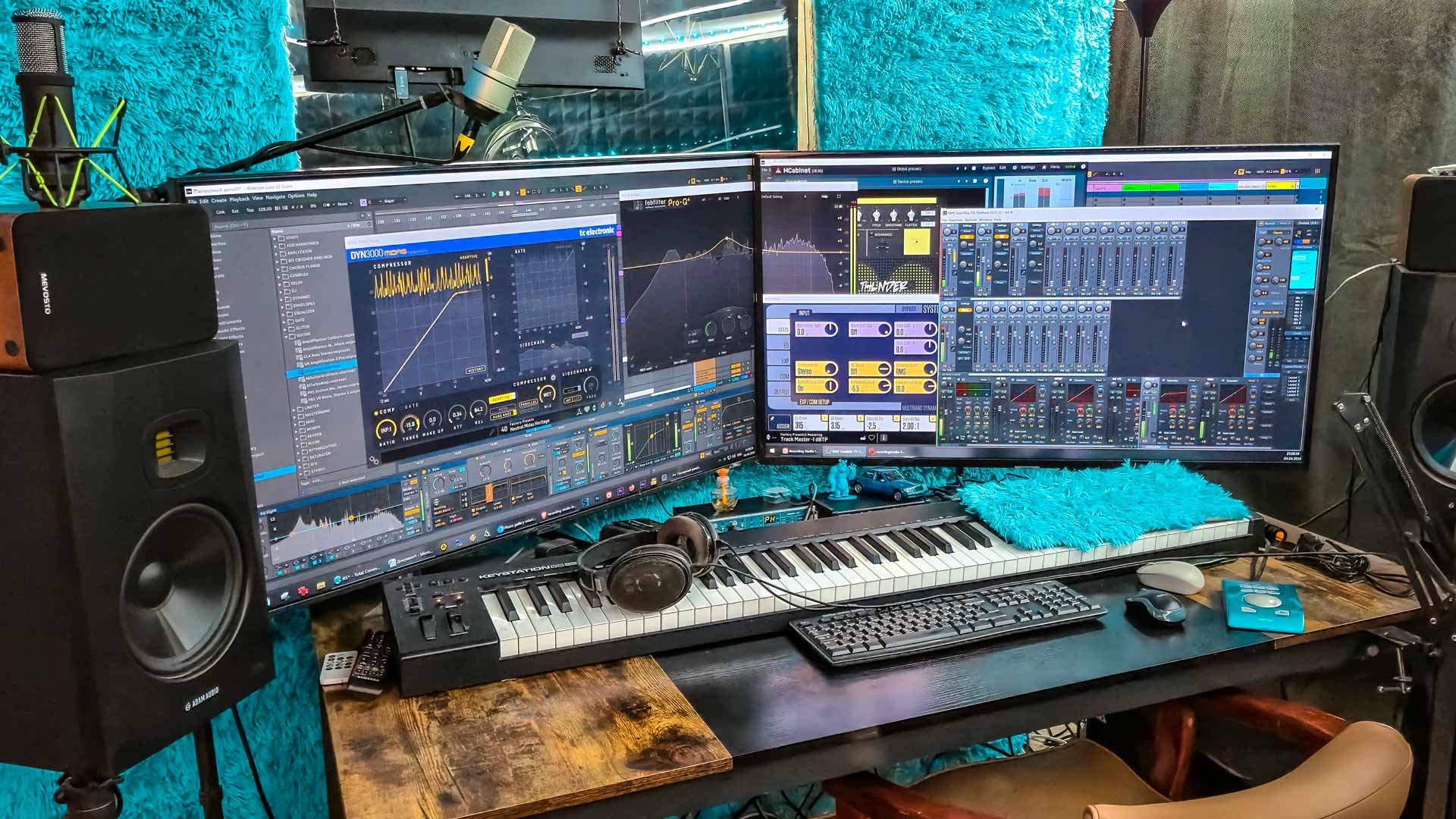
I do not want to explain studio work with empty words like “professional quality,” “industry standard,” and “experienced engineer.” Everybody writes that. It explains almost nothing.
I want to show what really happens: how a vocalist behaves in the booth, why several takes are recorded, why one take may have better emotion while another has better notes, how an arrangement can fight the vocal, why timing matters, how a voice-over session is different from singing, and why the engineer’s work is much more than pressing a red button.
These articles are written for people who want to understand the real process before coming to the studio.
If you are a beginner, this will help you feel less afraid. See also First-Time Recording Studio Guide. If you are already experienced, this will help you understand how I think and how we can work together.
Vocal Recording
Vocal recording is not just “stand at the microphone and sing.” First we need to record usable material. Then we choose the right takes. Then we prepare the vocal for the next stages of production.
Start here if you want to understand how a voice becomes a real recorded vocal part inside a song.
How Vocal Recording Actually Works
Instrumental and Arrangement
A song is not only a voice. There is also the instrumental, the beat, the arrangement, the structure, the groove, the space for the vocal, and sometimes even questions of ownership and rights.
These articles explain what happens when an artist brings a ready instrumental, when we create an arrangement together, and why the legal side of a beat or arrangement should not be ignored.
How We Work With a Client Instrumental
Recording by Genre
A rap track, a pop song, and a dance or EDM track are not recorded with exactly the same artistic logic. The microphone may be the same, but the goal of the performance is different.
In rap and hip-hop, text, character, delivery, and story matter. In pop, clarity, melody, emotion, and accessibility matter. In dance music, groove, timing, energy, hooks, and the relationship between the vocal and the track become especially important.
How We Record Rap and Hip-Hop Songs in the Studio
Voice-Over and Spoken Audio
A recording studio is also a place for spoken voice: voice-over, narration, dubbing, reels, YouTube videos, advertising, podcasts, presentations, explainer videos, and commercial audio.
Voice-over is not the same as singing. It has its own rules: diction, timing, character, language, hronometrage, lip sync, and the ability to make a spoken text sound natural and professional.
Behind the Glass
A lot of studio work happens on the other side of the glass. The artist performs, but the engineer is listening, controlling, remembering, preventing problems, guiding the process, sorting takes, and thinking about the future track.
These articles explain what I actually do during recording and why sometimes a recording session does not work even when the artist brought a text, a beat, and time.
Why This Matters
I do not write these articles just to fill the website with text.
I write them because a better-prepared artist usually has a better recording session.
If you understand why several takes are recorded, you will not panic when we record several takes. If you understand comping, you will not think every line must be perfect from beginning to end. If you understand why preparation matters, you will not come to the studio meeting your own song for the first time.
And if you understand what I do as the engineer, you will trust the process more easily and focus on your own job: performing, creating, feeling, and bringing your idea to life.
Work With Us
If you want to record a song, vocal, rap track, pop song, dance track, voice-over, narration, podcast, dubbing project, or any other spoken or musical audio, come to the studio.
We will listen to your idea, understand the material, prepare the session, record what needs to be recorded, choose the best takes, correct what needs correction, and bring the project toward a professional finished result.
My goal is not just to press Record. My goal is to help your idea survive the studio process and become real sound.
Studio Knowledge Base
If you would like to learn more about how professional recording sessions work, explore the rest of our Inside a Recording Studio Session series:
Inside a Recording Studio Session
How Vocal Recording Actually Works
How Vocal Post Production Actually Works
How We Work With a Client Instrumental
Who Owns the Rights to a Music Arrangement?
How We Create a Music Arrangement Together
How We Record Rap and Hip-Hop Songs
How Dance Music Vocals Are Recorded
How Voice-Over Recording Works
What Audio Engineers Do During Recording
Explore recording services, studio guides, artist resources, travel information and audio tools.
Understand the recording process and prepare for your session.
Explore recording services and special studio sessions.
Resources for singers, musicians and visiting artists.
Plan your visit or explore additional recording resources.