Ronter Sound Recording Studio
Professional instrument recording studio in Philadelphia for musicians who need clean tracks, expressive performances, and direct support from an experienced audio engineer.
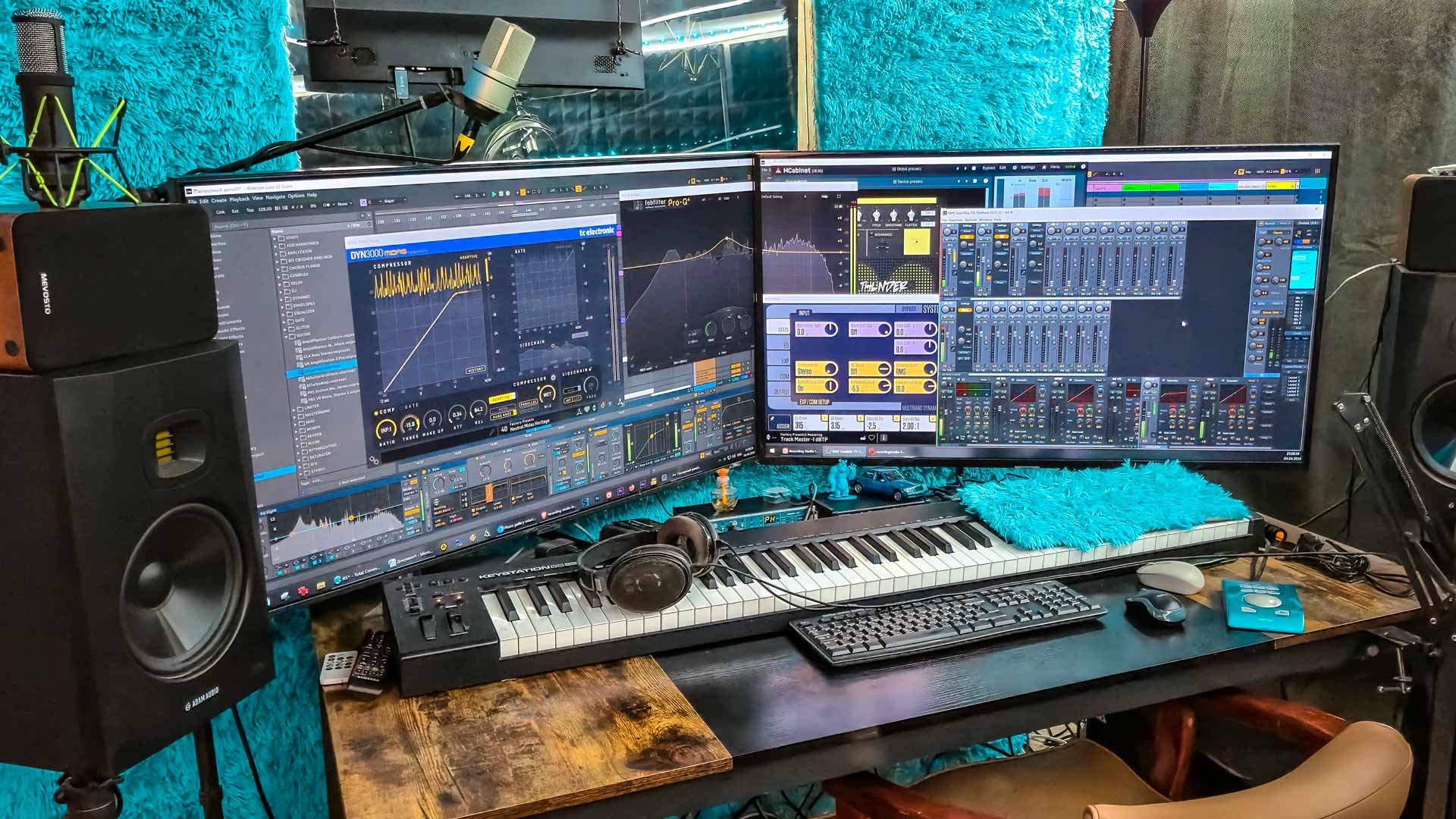
Record acoustic, electric, and digital instruments at our Philadelphia instrument recording studio as individual tracks, overdubs, layered parts, or elements of a complete musical project. Sessions can also involve musicians, performers, songwriters, artists, voiceover talent, and dubbing actors when a project needs additional performers or creative contributors.
All studio services are billed at one universal time-based rate. For current pricing details, visit our Pricing page.
Philadelphia Instrument Recording Studio
Instrument recording is more than capturing sound. It is capturing timing, dynamics, tone, articulation, and the role a performance plays inside the music.
Capture acoustic instruments, amplifiers, percussion, strings, woodwinds, and other sound sources with microphone placement chosen for the instrument and musical context. Expressive string parts can also be captured through dedicated violin recording when the arrangement needs a live melodic or textural layer.
Record electric guitar, bass, keyboards, and compatible instruments through a clean direct signal that remains flexible for editing, tone shaping, and mixing. For projects centered on acoustic or electric guitar, dedicated guitar recording can include rhythm parts, leads, clean DI signals, amplifier tones, doubles, and layered performances.
Capture piano, keyboard, MIDI, chords, melodies, accompaniment, and arrangement parts while preserving control over sound and performance details.
Add a new instrument to an existing song, replace an unfinished part, record alternate takes, or build a layered arrangement one performance at a time.
What You Can Record
Choose the instrument you need to record or contact the studio about a custom setup.
Record acoustic guitar, electric guitar, rhythm parts, lead parts, clean DI tracks, amplifier tones, doubles, and layered guitar arrangements.
Capture clean bass tracks, groove-focused performances, alternate tones, doubled parts, and bass lines prepared for editing and mixing.
Record piano, keyboards, MIDI performances, chords, melodies, accompaniment, harmonic layers, and arrangement parts.
Work with live percussion, MIDI drums, programmed drums, rhythmic layers, groove correction, and drum production for modern musical projects.
Record violin solos, harmonies, string layers, melodic phrases, emotional textures, and supporting parts for songs and instrumental music.
Capture saxophone solos, hooks, expressive phrases, harmonies, supporting lines, and layered performances.
Record flute melodies, solos, atmospheric layers, acoustic textures, and arrangement parts with attention to breath and dynamics.
Capture clarinet solos, melodic lines, ensemble parts, harmonies, expressive details, and layered arrangements.
Need to record another instrument? Send the instrument type, required setup, and project details before booking so we can confirm that the session is suitable for the studio.
A successful instrument recording preserves more than notes. It preserves timing, dynamics, tone, movement, and musical intention.
Recording Process
A clear process keeps studio time focused on performance instead of avoidable setup problems.
Send information about the instrument, backing track, existing recording, tempo, number of parts, and the result you want before the session.
Prepare the microphone, direct input, MIDI connection, monitoring, session files, and recording method required for the instrument.
Check levels, tone, tuning, microphone position, monitoring balance, and how the instrument fits with the existing music.
Capture complete performances, individual sections, corrections, alternate versions, doubles, and overdubs as needed.
Listen back immediately and identify issues with timing, tuning, tone, articulation, dynamics, or musical interaction.
Organize the approved recordings for editing, mixing, and audio processing, arrangement work, mastering, or delivery to another production workflow.
Tracking and Overdubs
You do not need to record the entire project from the beginning. Instrument tracking can begin at any stage where a new musical part is needed. For roots-oriented projects, the arrangement and performance can also be developed around the feel and instrumentation used in blues and country recording.
Record a guitar, bass, piano, violin, saxophone, flute, clarinet, drum, or other compatible part over an existing backing track.
Replace a programmed, unfinished, or weak instrument track with a new performance that better serves the song. If the composition itself is still taking shape, song demo production can help develop the material before final recording.
Add doubles, harmonies, rhythm layers, lead parts, hooks, solos, fills, textures, and supporting musical details.
Organize the approved instrument recordings so they can move efficiently into editing, mixing, mastering, or another production stage.
Recording an entire musical project with vocals, instruments, production, and multiple stages? Visit our music recording service . For a voice-focused session, use our vocal recording service .
Rates and Booking
Work directly with an experienced audio engineer in Philadelphia in a focused recording environment.
Instrument Recording FAQ
Instrument recording is the professional capture of a musical instrument as an individual audio track. The instrument may be recorded alone, over a backing track, as an overdub, or as part of a complete musical project.
Ronter Sound provides professional instrument recording at 1824 Tomlinson Rd in Northeast Philadelphia. Sessions are available by appointment and include direct work with an experienced audio engineer.
If you are looking for an instrument recording studio near you in Philadelphia, Ronter Sound is located at 1824 Tomlinson Rd in Northeast Philadelphia. Instrument recording sessions are available by appointment with an experienced audio engineer.
Yes. Bring the backing track, stems, tempo information, reference recording, or existing project files. A new instrument can then be recorded in context with the existing music.
Yes. Multiple instruments can be recorded when the setup and available session time allow it. Send the complete instrument list before booking so the session can be planned correctly. If vocals are also part of the project, our guide to how long vocal recording takes can help with planning the vocal portion of the session.
In most cases, yes. Bring the instrument and any required accessories, cables, strings, reeds, picks, pedals, power supplies, or specialized equipment. Contact the studio in advance to confirm what may already be available.
Instrument recording is billed at the same universal time-based rate as all other studio services. The audio engineer is included, with no hidden studio fee. For the current rate and full pricing details, visit our Pricing page.
Yes. Yes. Instrument tracks can continue into editing and timing refinement, then into mixing, mastering, and track production when those services are needed.
Production Reality
Instruments react to emotional state.
Nervous musicians play differently from relaxed musicians.
Breathing changes phrasing.
Physical tension changes dynamics.
Confidence changes articulation.
Which means studio atmosphere matters enormously.
The goal is not simply to “record notes.”
The goal is helping musicians reach emotionally believable performance states.
This matters differently for every instrument: saxophone needs emotional speech, flute needs breath and atmosphere, clarinet needs nuance, and violin needs living tension.
Instrument Recording Pages
Studio Services
Most instrument parts do not exist alone. They exist inside a song, a beat, a vocal arrangement, a film cue, a demo, a cover, or a full production. Projects that combine music with Russian-language narration or spoken content can also include Russian voice-over for U.S. media and companies.
If you want to record instruments as part of a complete track, you can also explore the main recording songs, tracks, and musical instruments service page.
For projects that combine several instruments, vocals, and production stages, the full music recording service brings the work together in one studio process.
Final Thought
Some instruments control rhythm.
Some control harmony.
Some control atmosphere.
Some control tension.
Some physically move the listener’s body.
Some expose emotional vulnerability directly.
Real arrangement is not random sound chaos.
It is interaction between specialized emotional functions inside music.
And recording instruments properly means understanding what each instrument is actually responsible for psychologically inside the song.
Explore recording services, studio guides, artist resources, travel information and audio tools.
Understand the recording process and prepare for your session.
Explore recording services and special studio sessions.
Resources for singers, musicians and visiting artists.
Plan your visit or explore additional recording resources.