Music Genre Recording Services
Blues and country music are some of the easiest genres for exposing weak musicianship immediately.
Because these are not genres where you can simply become a playback machine for notes.
In blues and country, a musician is expected to express himself through performance itself.
Sometimes it is improvisation.
Sometimes it is spontaneous phrasing.
Sometimes it is music being generated emotionally in real time.
That is why musicians who only know how to mechanically reproduce notes often struggle badly in blues and country music.
These genres demand musicianship.
Real musicianship.
In many ways, blues and country are related to jazz in that sense.
The musician is not simply replaying information.
The musician is participating in living musical conversation.
Sessions can be shaped around individual players, singers, songwriters, and bands. Musicians who need a broader performance-focused session can also explore recording for musicians, performers, songwriters, and artists.
Musicianship
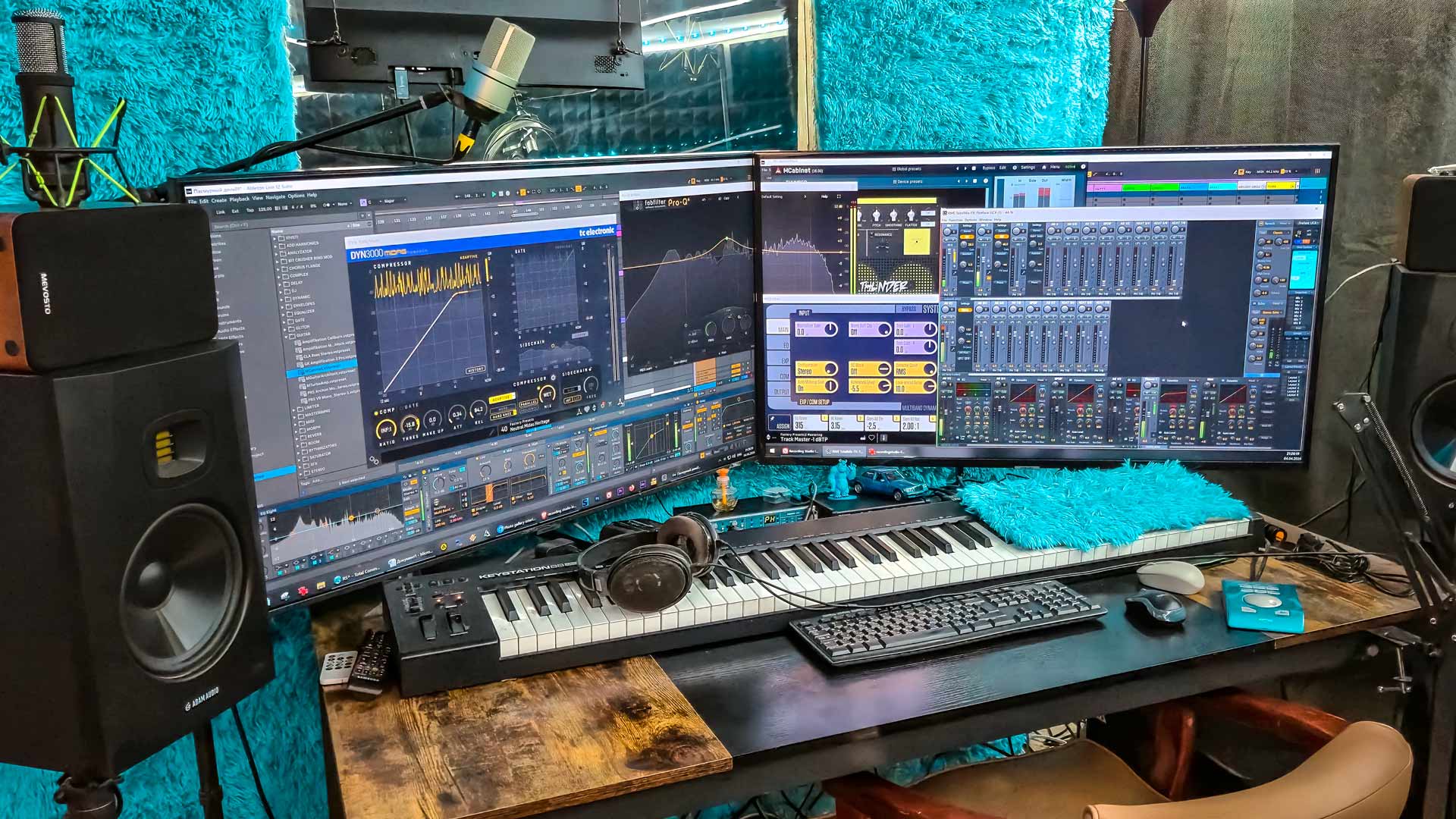
Blues and country are genres where music itself is primary.
There are not fifty layers of production hiding weak performance.
There is not endless atmosphere masking empty musical ideas.
Usually there are: instruments, groove, phrasing, melody, emotional delivery, and musicians interacting together.
That is why these genres are beautiful.
Because music itself becomes exposed.
Weak timing becomes exposed.
Weak groove becomes exposed.
Weak phrasing becomes exposed.
Weak emotional expression becomes exposed.
You cannot endlessly hide behind effects in blues and country music.
Eventually listeners hear the actual musician.
Blues Guitar Recording
What makes blues guitar feel alive is the musician himself. See Instrument Recording Philadelphia.
The musician expresses emotions through performance.
That is why two completely identical notes can sound entirely different when played by different musicians.
Because different musicians feel music differently.
They phrase differently.
They attack the string differently.
They hold timing differently.
They emotionally shape the same phrase differently.
That is why blues guitar recording is not simply about recording notes correctly.
It is about recording musical thought.
The fingers themselves reveal the musician.
Technique reveals the musician.
Phrasing reveals the musician.
And most importantly: the musician’s emotional understanding of music reveals itself through the instrument.
Capturing those details requires attention to the instrument itself, the player's dynamics, and the relationship between performance and tone. For sessions centered specifically on electric or acoustic guitar, see guitar recording in Philadelphia.
Groove and Dynamics
Blues and country are not technical sports.
These genres are not about showing how many notes somebody can physically fit into one second.
These genres are built around: melody, phrasing, groove, rhythm patterns, emotional pacing, and musical feel.
That is why microdynamics become incredibly important.
Sometimes a tiny change in pressure or timing changes the emotional meaning of the phrase completely.
In blues especially, pauses themselves become musical language.
Sometimes the silence between phrases matters as much as the phrase itself.
Because contrast creates meaning.
One musical thought ends.
Another musical thought begins.
Sometimes pauses emphasize contrast.
Sometimes they prepare emotional release.
Sometimes they simply allow the phrase to breathe naturally.
Blues often feels like conversation through instruments.
Emotional conversation.
Human conversation.
Piano can be part of that conversation as naturally as guitar, especially when dynamics, touch, timing, and space between phrases carry much of the musical expression. Players who want to capture those details can use dedicated piano recording in Philadelphia.
Country Music Recording
Some people think country music immediately exposes weak musicians.
I do not fully agree with that.
Country music historically also contains strong folk roots.
There is something beautiful about ordinary people taking instruments into their hands and entertaining themselves after work.
That atmosphere itself is part of country music.
It is human music.
Folk music.
Storytelling music.
But this still does not mean musicianship becomes unnecessary.
Even simple music requires understanding.
Sometimes simple music is actually much harder to create honestly than complicated music.
Because in simple music there is nowhere to hide weak ideas.
Listeners hear everything immediately.
A songwriter may begin with only a voice, an acoustic instrument, and a strong musical idea. When that idea still needs to be developed into a practical working recording, song demo production can help turn the material into a clearer version for rehearsal, presentation, or further production.
Vocal Recording
In blues and country music, instruments themselves are often recorded relatively naturally.
Less artificial processing.
Less hiding.
More direct musical communication.
That means vocals also need to emotionally match the music around them.
Listeners immediately hear fake emotionality in these genres. See Musician Psychology & Recording Confidence.
Excessive theatricality often feels unnatural.
Because country and blues are heavily connected to observation of life itself.
Human experience.
Human struggle.
Human storytelling.
That is why listeners need to believe the performer.
Not because the singer is technically screaming emotions louder, but because emotional intention itself feels believable.
The time needed to capture that kind of performance can vary from singer to singer. If you are planning a session, our guide to how long vocal recording takes explains some of the practical factors that can affect recording time.
Recording Philosophy
Some people romanticize “rawness” because they think rawness automatically equals honesty.
Not necessarily.
Weak playing is still weak playing.
Weak groove is still weak groove.
Weak phrasing is still weak phrasing.
Blues and country still require musicianship.
Real musicianship.
But what makes these genres special is that technique itself is not the final goal.
Technique becomes a language for emotional communication.
A musician develops control, timing, groove, phrasing, and instrumental skill not simply to impress people technically, but to communicate musical thought more deeply.
That is why some musicians sound expensive even on simple equipment.
Because listeners hear understanding.
Listeners hear phrasing.
Listeners hear musical intelligence.
And listeners hear life experience expressed through music itself.
The technical side of a session should support that musicianship rather than distract from it. When a project needs hands-on help with microphone choice, signal flow, recording setup, session organization, or production decisions, an audio engineer in Philadelphia can help keep the process focused on the performance.
At Ronter Sound, blues and country recording is approached not as fake nostalgia or artificial “vintage aesthetics,” but as living musicianship built on real emotional communication and real musical skill.
The studio also works with different types of performers and spoken material. For projects that specifically require Russian-language narration, dialogue, or commercial voice recording, see our Russian voice-over services in the USA.
More Music Recording
Explore recording options for other musical styles and performance approaches.
Rap, hip hop, trap vocals, rhythm, diction, adlibs, doubles, punch-ins, modern vocal production, and why rap is not “easy because it is not singing.”
Rock recording, guitars, bass, drums, aggressive vocals, distortion, live band energy, technique, control, and why mastery comes before “rawness.”
Blues, country, Americana, roots music, guitar phrasing, groove, storytelling, live musicianship, honest vocals, and organic recording.