
How Long Does It Take to Record a Song?
Recording time directly affects cost. This article explains how long most sessions take and what changes the total hours required.
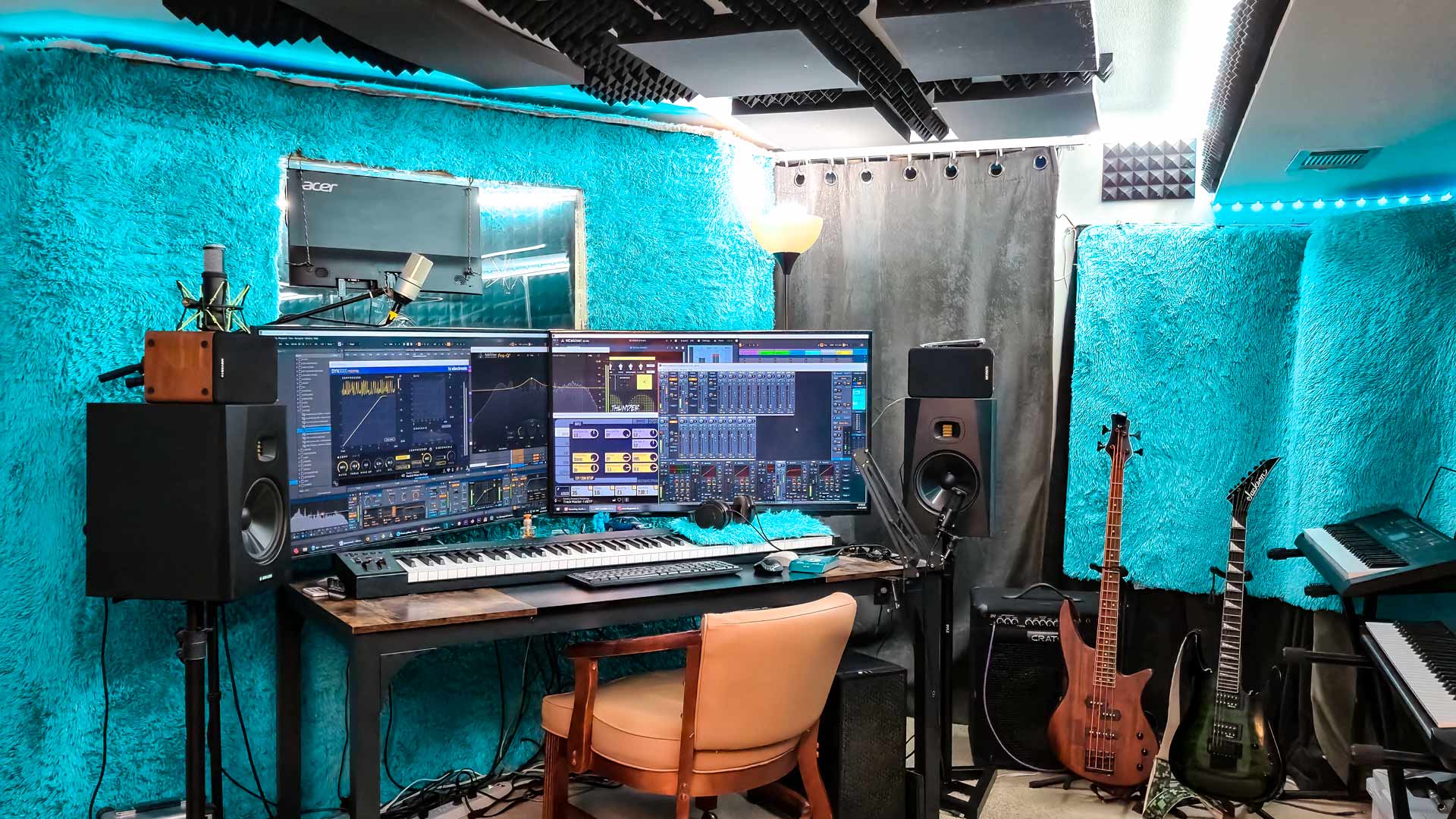
One of the first questions artists ask before booking is simple: how much does it cost to record a song in Philadelphia?
The answer depends less on the idea of the song and more on the actual amount of studio work needed to turn that idea into a usable result. Some songs are ready for a fast session. Others need more takes, more direction, and more time before the recording feels strong enough to move forward.
This article is part of our recording studio blog. Its role is to explain what affects song-recording cost without replacing our Pricing page, where you can find the current studio rate, or our song and instrument recording service page.
A lot of first-time clients imagine that recording a song means showing up, recording vocals once, and leaving with a finished result. In reality, recording is a process. Even a simple song often includes setup time, listening back, retakes, performance correction, and decisions about what still needs work.
That is why studio cost is almost never just about “one song.” It is about how long it takes to get a song recorded properly.
If you want to understand the timing side separately, read how long it takes to record a song.
In Philadelphia, many studios charge by time. That means the final cost depends on how efficiently the session moves and how much work your song needs.
At Ronter Sound, studio services follow a simple time-based pricing structure. The same universal rate applies regardless of the type of studio work being done. For the current rate and full pricing details, visit our Pricing page.
The total cost usually depends on:
That is why two artists recording “one song” can end up with very different session lengths and different total costs.
A useful way to estimate recording cost is by thinking about the amount of studio time your project is likely to require rather than expecting one universal flat price for a song.
If the artist is prepared, the lyrics are ready, the beat is ready, and the performance is controlled, a basic vocal recording session may take 1 to 2 hours.
Because studio services are billed by time, a shorter and well-prepared session will generally cost less than a session that requires additional takes, corrections, or preparation. Check the current studio rate to estimate the total for your session.
If the artist needs more takes, more direction, more corrections, or more time to settle into the performance, the session may take 2 to 4 hours.
A longer session will naturally result in a higher total because more studio time is required. You can use the current rate listed on our Pricing page together with your expected session length to estimate the cost.
If the session includes a lot of corrections, repeated recording, workflow changes, or broader song development, the total goes higher because the song itself needs more work before it is ready.
That is where people often stop asking, “What is the flat price?” and start understanding that time and preparation control the budget.
This is one of the biggest points of confusion. Recording a song and finishing a song are not the same thing.
Recording is the capture stage. After that, a project may still need:
So if someone asks, “How much does it cost to record a song?” the real answer may be different from “How much does it cost to end up with a fully finished release-ready track?”
If you want broader local pricing context, read recording studio rates in Philadelphia.
The most common mistake is arriving underprepared and assuming everything can be fixed later.
Weak takes, unclear timing, missing lyrics, poor preparation, or constant restarts all increase the total session time. Because studio services are billed by time, preparation can have a significant effect on the final cost.
To reduce wasted time, it helps to read how to prepare for vocal recording and common recording studio mistakes before booking.
There is no single total that applies to every song. The final cost depends primarily on how much studio time your project requires.
Instead of relying on a fixed estimate that may not match your project, check the current studio rate and consider how much time your session is likely to require.
The important thing is to think in terms of session length, preparation, and project complexity rather than expecting one universal flat price for every song.
If you are ready to move from reading into action, the most useful next steps are:
If you are still comparing options, you may also want to read is a recording studio worth it and home recording vs studio recording.
If you are comparing recording costs, it helps to look at time, preparation, and studio workflow together. These related articles explain what affects session length, why costs change, and how to avoid unnecessary expenses.
Recording time directly affects cost. This article explains how long most sessions take and what changes the total hours required.
Understand how studio pricing works locally and how time-based rates translate into real recording costs.
Preparation reduces wasted time and helps keep your recording session efficient and more affordable.
Avoid common mistakes that increase session time and raise the total cost of recording a song.
The total depends on how much studio time the song requires. A prepared artist may need a relatively short session, while a more detailed project can require additional time for takes, corrections, and direction. For the current studio rate, visit our Pricing page.
Sometimes, yes — but usually only if the beat, lyrics, and performance are already prepared and the session moves efficiently.
Recording is the capture stage. Depending on the project, additional studio time may be used for editing, vocal tuning, mixing, mastering, or other production work. All studio services follow the same time-based pricing structure. See our Pricing page for current details.
Because session time depends on preparation, performance consistency, track complexity, and how many takes or corrections are needed.
The best way is to arrive prepared: know your lyrics, rehearse the performance, bring the correct beat or instrumental, and understand what you want to get done in the session. Better preparation can reduce the amount of studio time required.