Studio Pricing
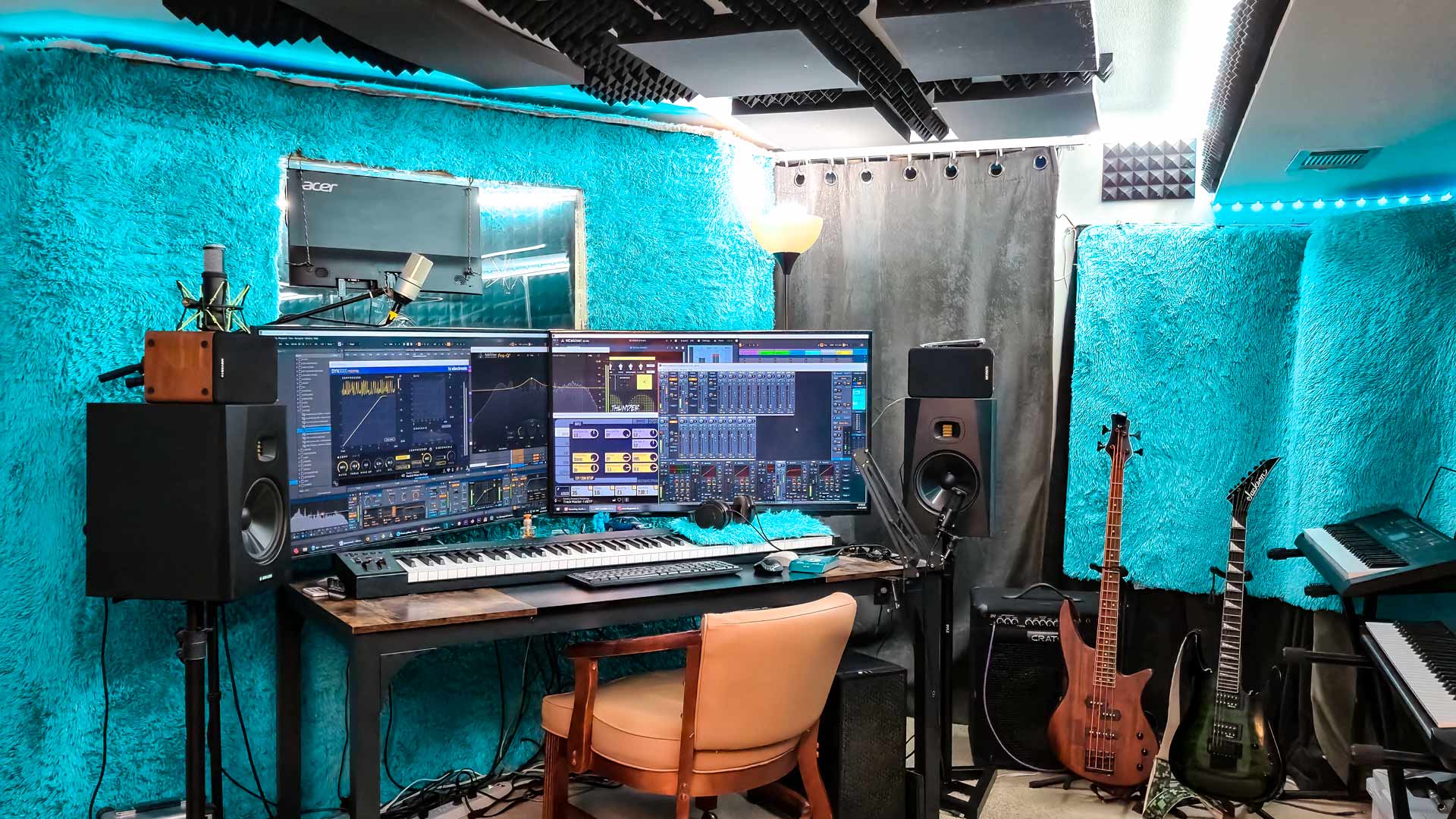
Most people look for a price per hour. The real cost depends on what happens during the session.
Someone asks:
“How much is a recording studio per hour?”
It sounds simple.
It isn’t.
Most studios charge hourly.
Not for a finished song.
Not for a package.
For time.
At Ronter Sound Philadelphia, studio services are billed at one universal time-based rate, regardless of the type of studio work.
For the current hourly rate and full pricing details, visit our Pricing page.
This keeps the pricing structure simple: the final cost is based on how much studio time your project requires.
The biggest factor is not equipment.
It’s the session.
If you're preparing: how to prepare for vocal recording.
You record. You listen back.
Something feels off.
Then you:
One hour becomes two.
Because studio services are billed by time, additional recording, corrections, and retakes can increase the total cost of the session.
People think they can fix everything later.
They can’t.
Even after mixing and mastering, weak recordings stay weak.
Better workflow = less time.
Less time = lower cost.
See: what a sound engineer does.
Home recording seems cheaper.
But it often takes longer.
Compare: home vs studio recording.
Not just a room.
Not just equipment.
You are paying for:
Don’t ask only:
“What’s the hourly rate?”
Also ask:
“How efficiently will this session run?”
The current Ronter Sound studio rate is always listed on our Pricing page.
If you're ready: book a recording session.
Recording studios commonly charge based on studio time. At Ronter Sound, one universal time-based rate applies to studio services. For the current rate, visit our Pricing page.
Because the final cost depends on how much studio time the project requires. Preparation, performance, retakes, corrections, and overall session efficiency can all affect the amount of time needed.
Studio work follows the same time-based pricing structure regardless of the type of work being done. Recording, editing, mixing, mastering, and other studio work can be performed during booked studio time depending on the needs of the project.
Sometimes, but it depends on preparation, performance, the number of takes needed, and the overall complexity of the project.
Prepare your material in advance, rehearse seriously, and come in with a clear plan. Better preparation helps you use studio time more efficiently.
Recording Guides